Spring Herbal Allies: How to Work with Nettle, Dandelion, and Chickweed
Spring arrives with an abundance of fresh plant allies pushing through the soil—and three of the most powerful, accessible herbs are often growing right in your backyard.
Nettle, dandelion, and chickweed are nutrient-dense, widely available spring tonics that support detoxification, nourish depleted systems, and bring vibrant energy after a long winter.
This guide will help you identify, harvest, and work with these three spring allies safely and effectively.
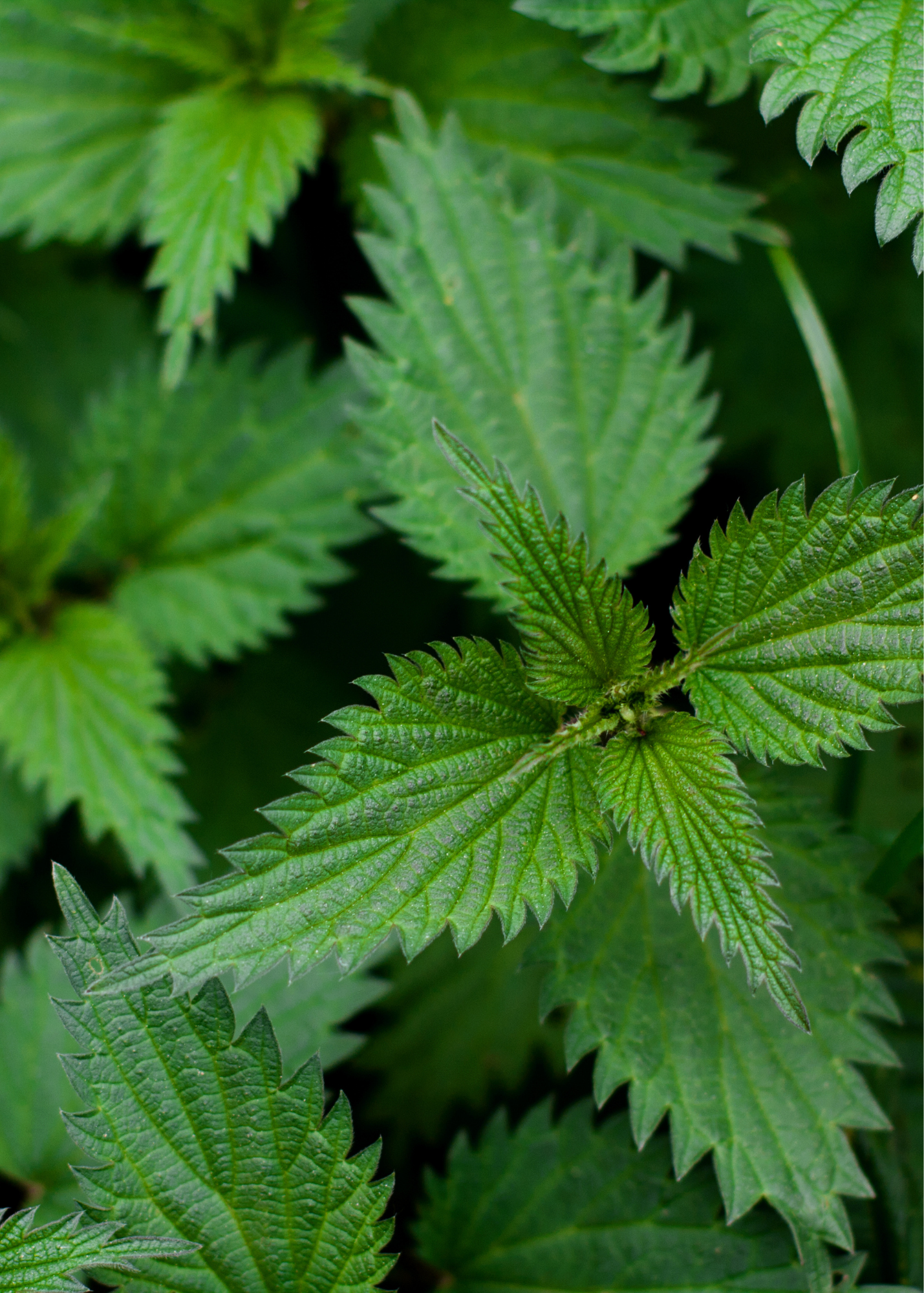
Nettle (Urtica dioica)
What It Does
Nettle is one of the most nourishing herbs in the plant world. Rich in vitamins A, C, K, and minerals like iron, calcium, and magnesium, nettle supports:
Blood building and iron levels
Joint health and inflammation
Seasonal allergies
Energy and vitality after winter depletion
How to Harvest
Harvest nettle in early spring before it flowers, wearing gloves to avoid the sting. Cut the top 4–6 inches of the plant. The sting disappears once dried or cooked.
How to Use
Nettle infusion: Steep 1 cup dried nettle in a quart of boiling water for 4–8 hours. Strain and drink throughout the day.
Cooked greens: Sauté fresh nettle like spinach (the heat neutralizes the sting).
Nettle pesto: Blend blanched nettle with garlic, olive oil, nuts, and parmesan.
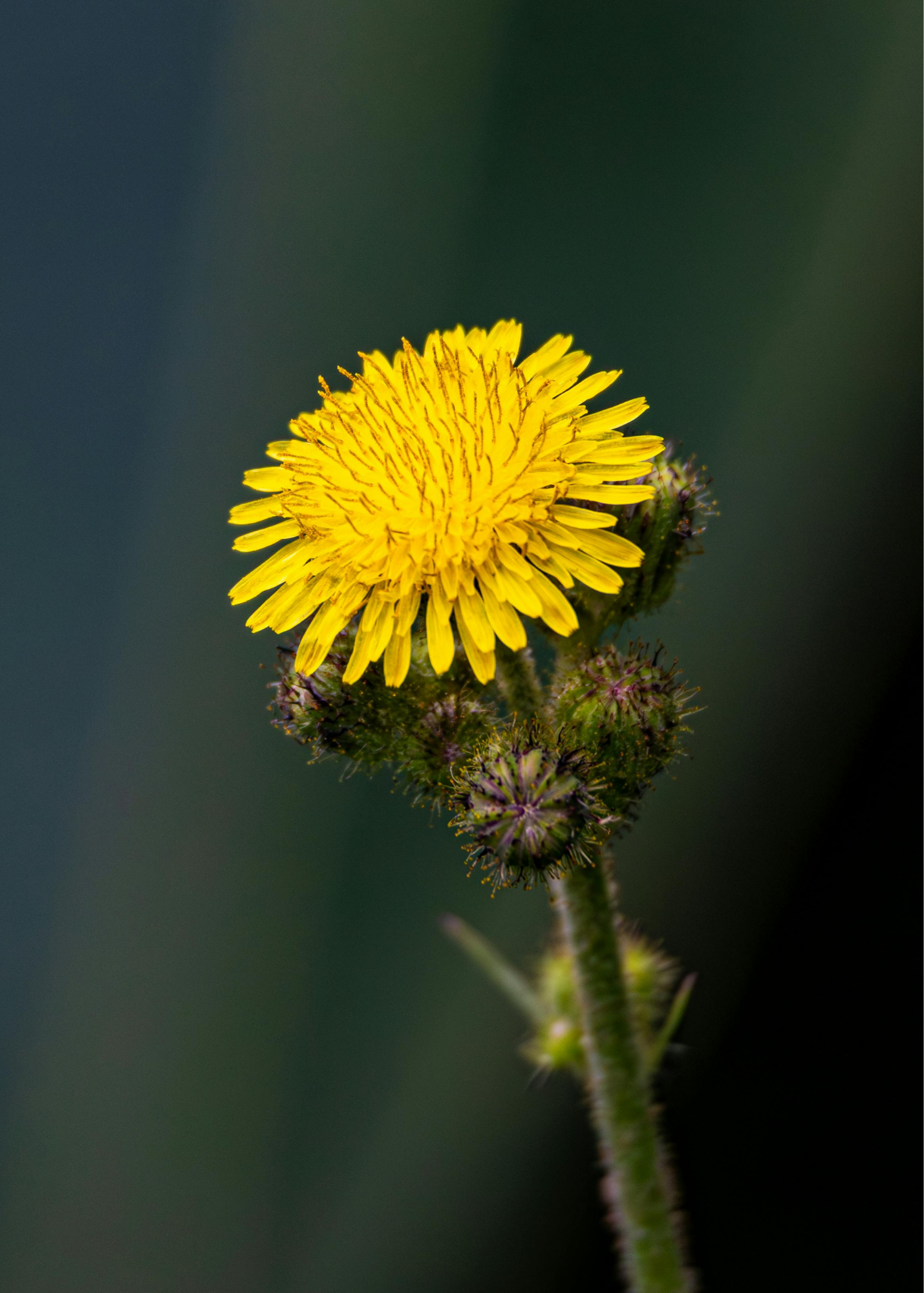
Dandelion (Taraxacum officinale)
What It Does
Every part of the dandelion is medicinal. The leaves are a gentle diuretic, the flowers are uplifting, and the root supports liver function and digestion.
Dandelion is especially helpful for:
Liver support and gentle detoxification
Digestive bitters (root)
Fluid balance and bloating (leaf)
Nutrient density (the greens are loaded with vitamins)
How to Harvest
Leaves: Harvest young, tender leaves in early spring before they become too bitter.
Roots: Dig roots in early spring or fall when the plant's energy is concentrated underground.
Flowers: Pick bright, fully open flowers on a sunny day.
How to Use
Dandelion greens salad: Toss young leaves with lemon, olive oil, and a pinch of salt.
Roasted dandelion root tea: Chop, roast, and steep roots for a coffee-like liver tonic.
Dandelion flower fritters: Dip flowers in batter and lightly fry for a seasonal treat.
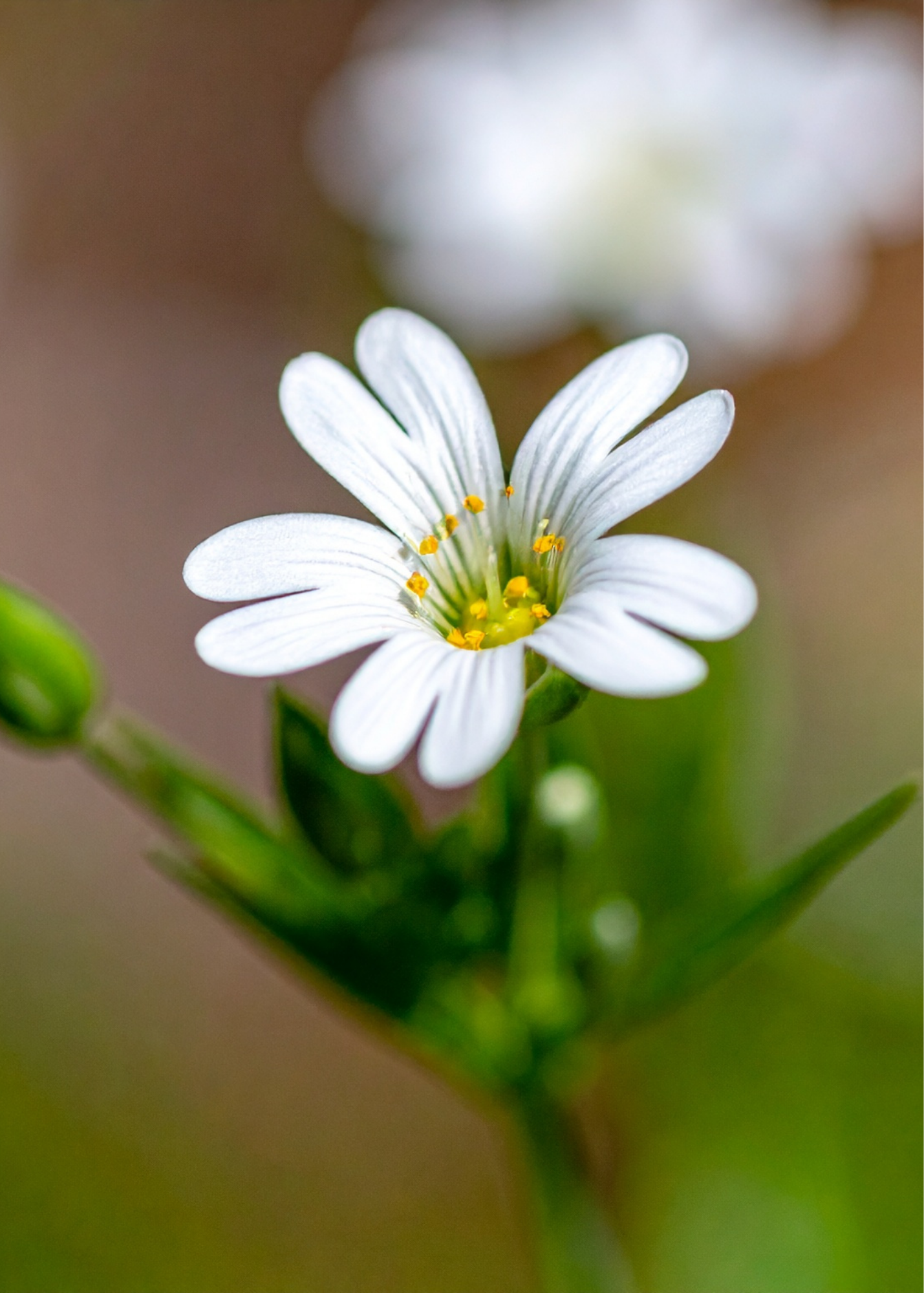
Chickweed (Stellaria media)
What It Does
Chickweed is a cooling, soothing herb that's both edible and medicinal.
It's especially helpful for:
Skin irritation, itching, and inflammation (topically)
Lymphatic support
Gentle digestive soothing
Nutrient support (high in vitamins and minerals)
How to Harvest
Harvest the aerial parts (leaves, stems, flowers) in spring. Chickweed grows low to the ground in lawns and gardens. Snip the tender top growth.
How to Use
Fresh in salads: Chickweed has a mild, slightly sweet flavor—great in spring salads.
Chickweed poultice: Mash fresh chickweed and apply to skin irritations, bug bites, or rashes.
Infused oil: Infuse dried chickweed in olive oil for 4–6 weeks, then use as a soothing skin oil.
Safety Notes
Always positively identify plants before harvesting. Use a trusted field guide or work with an experienced herbalist.
Harvest from clean areas away from roadsides, pesticides, and pet areas.
If you're pregnant, nursing, or taking medications, consult a qualified practitioner before using herbs internally.
Your Spring Herbal Practice
Working with spring herbs is about more than just the plants themselves—it's about slowing down, connecting with the season, and honoring the body's natural rhythms.
Start small. Pick one herb. Make one recipe. Notice how your body responds. Spring is here, and the plants are ready to support you.
Ready to deepen your herbal practice this spring?
Download my free Spring Herbal Planner—a one-page guide to seasonal herbs, simple recipes, and a planning template for your spring wellness routine.